
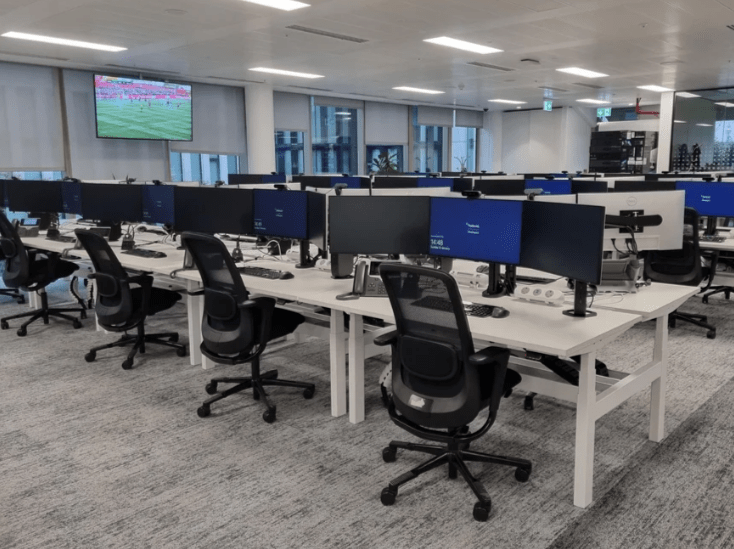
In today’s rapidly evolving risk landscape, physical security infrastructure solutions have become a critical foundation for protecting enterprises, assets, and personnel. As organizations expand across multiple locations and adopt hybrid operational models, the need for intelligent, scalable, and integrated security systems has intensified. Traditional standalone systems are no longer sufficient in addressing modern threats.
Advanced providers such as Instrata are helping redefine how enterprises approach protection through connected ecosystems that combine monitoring, analytics, and automated response capabilities. These innovations are reshaping physical security infrastructure solutions into strategic business enablers rather than just protective measures.
The shift toward integrated systems reflects a broader reality: security is no longer reactive. Instead, it is predictive, data-driven, and deeply embedded into organizational operations.
The Transformation of Physical Security Infrastructure Solutions
The evolution of physical security infrastructure solutions has moved from isolated hardware systems to interconnected digital ecosystems. In earlier models, surveillance cameras, access control, and alarms operated independently, often resulting in delayed response times and limited situational awareness.
Modern infrastructure now integrates these systems into unified platforms that provide real-time visibility and centralized control. This transformation allows security teams to respond more efficiently while reducing operational complexity.
Key advancements driving this transformation include:
- Artificial intelligence for real-time threat detection
- Cloud-based security management systems
- Integrated identity and access management tools
- Advanced video analytics with behavioral recognition
- Mobile-enabled monitoring dashboards
These technologies enable a more proactive approach, where risks are identified before they escalate into incidents.
Why Physical Security Infrastructure Solutions Matter More Than Ever
Organizations today face a wide spectrum of physical threats that extend beyond traditional security concerns. These include unauthorized access, insider threats, equipment theft, facility disruptions, and even environmental hazards.
Implementing robust physical security infrastructure solutions addresses these challenges by creating layered defense mechanisms that enhance resilience and operational continuity.
Increasing Complexity of Modern Facilities
Large-scale facilities such as data centers, hospitals, logistics hubs, and corporate campuses require synchronized security systems that operate seamlessly across multiple zones.
Rising Regulatory Expectations
Industries such as finance, healthcare, and critical infrastructure are subject to strict compliance requirements. Integrated systems simplify audit trails and reporting processes.
Growing Need for Real-Time Response
Delayed responses can lead to significant operational and financial losses. Advanced infrastructure ensures that alerts are acted upon instantly through automated workflows.
Core Elements of Physical Security Infrastructure Solutions
Effective physical security infrastructure solutions rely on multiple interconnected components working together to deliver comprehensive protection.
Access Control Systems
Access control technologies regulate entry into facilities using biometrics, smart cards, or mobile authentication. These systems ensure that only verified individuals can access restricted zones.
Modern systems also support role-based permissions, allowing organizations to assign different access levels based on job responsibilities.
Intelligent Video Surveillance
Video surveillance has evolved significantly with the integration of artificial intelligence. Modern systems do more than record footage; they analyze movement patterns, detect anomalies, and generate real-time alerts.
This allows security teams to focus on verified threats instead of manually reviewing hours of footage.
Intrusion Detection Systems
Sensors and detectors placed throughout a facility identify unauthorized entry attempts, forced access, or unusual environmental changes such as temperature fluctuations or motion in restricted areas.
Security Integration Platforms
Integration platforms act as the central nervous system of physical security infrastructure solutions, connecting multiple tools into a single interface for streamlined monitoring and control.
Automated Incident Response Systems
Automated systems trigger predefined responses when a threat is detected, such as locking doors, notifying security personnel, or activating alarms.
Strategic Advantages of Physical Security Infrastructure Solutions
Beyond basic protection, physical security infrastructure solutions deliver significant strategic advantages that support long-term business goals.
Enhanced Situational Awareness
Real-time dashboards provide comprehensive visibility into facility operations, enabling faster and more informed decision-making.
Reduced Operational Overhead
Automation reduces the need for manual monitoring, allowing security teams to focus on higher-value tasks.
Improved Risk Intelligence
Data collected from integrated systems can be analyzed to identify patterns, predict risks, and improve security planning.
Business Continuity Assurance
Strong physical security infrastructure minimizes downtime caused by security breaches or operational disruptions.
Real-World Applications Across Industries
Physical security infrastructure solutions are widely deployed across multiple industries, each with unique requirements and challenges.
Healthcare Facilities
Hospitals require strict access control to protect patients, medical records, and sensitive equipment. Integrated systems help manage visitor access and emergency response protocols.
Corporate Enterprises
Large organizations rely on unified security systems to manage multiple office locations, ensuring consistent protection standards across all sites.
Data Centers
Data centers require high-security environments where even minor breaches can lead to significant data loss. Advanced surveillance and access control are critical components.
Logistics and Warehousing
Supply chain facilities use security systems to monitor inventory movement, prevent theft, and ensure operational efficiency.
Emerging Trends in Physical Security Infrastructure Solutions
The future of physical security infrastructure solutions is being shaped by rapid technological advancements and evolving threat landscapes.
Artificial Intelligence and Predictive Security
AI-driven systems are increasingly capable of predicting potential threats based on behavioral patterns and historical data.
Cloud-Based Infrastructure
Cloud-native platforms enable centralized monitoring across global operations, improving scalability and accessibility.
Internet of Things Integration
IoT-enabled devices enhance security coverage by providing real-time environmental and operational data.
Cyber-Physical Security Convergence
Physical and digital security systems are merging to create unified defense frameworks that address both cyber and physical risks.
Zero Trust Security Models
Zero trust principles ensure that every access attempt is verified, regardless of user identity or location.
Best Practices for Implementing Physical Security Infrastructure Solutions
Successful implementation of physical security infrastructure solutions requires careful planning and ongoing optimization.
Conduct Comprehensive Risk Assessments
Understanding facility vulnerabilities is essential for designing effective security systems.
Prioritize System Integration
Standalone tools often create inefficiencies. Integrated systems provide better visibility and control.
Invest in Scalable Architecture
Security infrastructure should be designed to grow alongside organizational needs.
Train Security Personnel
Human operators play a critical role in interpreting system data and responding to alerts.
Continuously Update Systems
Regular updates ensure protection against emerging threats and technological vulnerabilities.
The Role of Innovation in Modern Security Infrastructure
Innovation plays a central role in advancing physical security infrastructure solutions. The integration of machine learning, cloud computing, and advanced analytics has transformed traditional security systems into intelligent platforms.
Organizations such as Instrata demonstrate how innovation can enhance operational efficiency while maintaining high levels of protection. These systems are designed not only to prevent incidents but also to provide actionable insights that improve long-term decision-making.
Conclusion
As global risk environments become increasingly complex, physical security infrastructure solutions are no longer optional they are essential for enterprise stability and resilience. Modern organizations require systems that are intelligent, scalable, and capable of adapting to evolving threats.
Through the integration of AI, cloud platforms, and unified security frameworks, physical security has evolved into a proactive discipline that supports both protection and operational efficiency. Providers like Instrata highlight how advanced infrastructure can transform security into a strategic advantage that strengthens long-term business success.
Investing in robust physical security infrastructure solutions ensures not only protection but also continuity, compliance, and confidence in an increasingly uncertain world.