
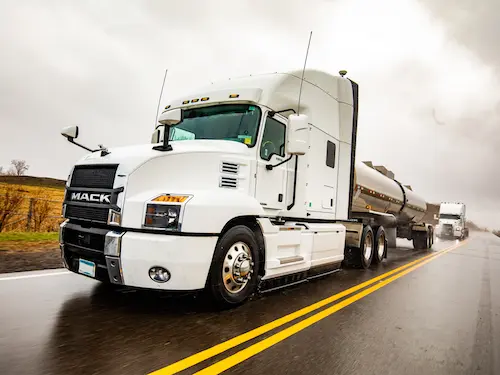
The American highway has always been a workplace before it was a symbol of freedom. Autonomous Trucking Technology is now moving from demos into paid freight, but the real story is slower and more practical than the hype. You are not looking at a sudden takeover of I-40 or I-10. You are looking at mapped freight lanes, trained terminals, backup systems, safety cases, and fleet managers who want fewer surprises. For readers tracking modern transportation business trends, the key point is simple: self-driving trucks are no longer science fiction, yet they are not free-range machines either. The first serious deployments are happening where routes repeat, weather is manageable, customers can shape pickup sites, and regulators can see a clear operating plan. That means Texas, the Sun Belt, controlled energy routes, and major logistics corridors are leading the race. The public debate often jumps straight to jobs or danger. Those matter. But the quieter question may decide the future first: can driverless freight fit into the messy daily rhythm of American shipping without creating new problems?
Where Autonomous Trucking Technology Is Actually Running Now
Deployment is not spreading like a phone app. It is moving lane by lane, yard by yard, and contract by contract. That matters because freight is physical work. A truck has to arrive at a dock, handle a gate, pass inspections, deal with wind, avoid bad lane markings, and keep moving even when a construction crew changes the road overnight.
Why Texas Became the First Serious Test Ground for Self-Driving Trucks
Texas gives self-driving trucks something rare: long freight corridors, heavy demand, friendly weather for much of the year, and a business culture that accepts transport experiments faster than many states. Dallas, Houston, Fort Worth, El Paso, and the Permian Basin form a natural testing map. The lanes are long enough to show highway value, but not so random that every trip becomes a new puzzle.
That is why commercial driverless freight in Texas matters more than another polished demo video. When a truck runs the same route again and again, engineers can see weak spots. Fleet operators can test dispatch timing. Maintenance crews can learn what sensor cleaning means after dust, rain, bugs, and highway grime. The machine may drive, but the operation still depends on people.
The counterintuitive part is that early success may come from boring routes, not the most advanced ones. A repeated 300-mile run with clear pickup rules can teach more than a flashy coast-to-coast trip. Freight companies do not buy magic. They buy lower delay, fewer claims, and cleaner planning.
The Permian Basin Shows the Value of Controlled Driverless Freight
Energy logistics in West Texas may sound rough for automation, yet it offers a useful proving ground. Sand hauling, facility-to-facility movement, and repeated industrial routes can be easier to control than a random public delivery network. The road may be harsh, but the business pattern is known.
That changes the risk picture. A fleet can train staff at both ends of the route. It can prepare inspection zones. It can build maintenance checks around the truck’s sensor stack. It can also measure whether driverless freight helps equipment run longer hours without asking a human driver to live inside a cab through punishing schedules.
Still, this is not a clean victory lap. Dust, heat, rural traffic, oilfield pickups, and odd roadside behavior create their own stress. The lesson is not that automated truck systems can handle everything. The lesson is sharper: the first strong business cases may come where the route is hard for people but repetitive enough for machines.
Safety Will Be Decided by Edge Cases, Not Press Releases
A heavy truck does not get the same grace as a robot vacuum. One bad decision at highway speed can turn into a public crisis. That is why autonomous vehicle safety is less about whether the truck can stay centered in a lane and more about how it behaves when the world stops acting normal.
Construction Zones Are the Test Nobody Can Fake
American highways change overnight. Cones appear. A lane closes. A worker waves traffic around a blocked shoulder. A police vehicle sits half inside a lane with flashing lights. These are the moments that separate a strong driving system from a tidy lab result.
Self-driving trucks have an advantage in patience. They do not get tired, angry, or tempted to check a phone. But they need clear rules for unclear scenes. A human driver may slow down because “something feels off.” A machine has to turn sensor data into that same caution. That is harder than people assume.
For readers comparing transportation safety planning, construction behavior is worth watching more than perfect-weather cruising. A truck that handles open highway miles well may still struggle with temporary signs, faded paint, or a lane shift set up by a tired night crew. The system has to treat confusion as a reason to slow down, not as missing data to ignore.
Federal Oversight Is Catching Up, But Not All at Once
Federal agencies are not starting from zero. NHTSA tracks automated driving crash reports and has public material on automated vehicle safety. FMCSA studies how commercial motor vehicle rules should work when the “driver” is no longer a person sitting behind the wheel. That creates a strange legal puzzle. Many truck rules were written around human bodies, human rest, and human judgment.
Who places warning triangles if a driverless tractor stops on the shoulder? How should roadside inspectors interact with a cab that has no driver? What counts as safe remote support? These sound like small details until a truck breaks down at 2 a.m. near a work zone.
The non-obvious insight is that regulation may help adoption rather than slow it. Large shippers hate uncertainty. A national safety framework gives fleets, insurers, states, and equipment makers a clearer target. Without it, every deployment becomes a custom legal negotiation.
The Business Case Is About Hours, Not Replacing Every Driver
The loudest debate is job loss, but the first money case is simpler: trucks earn when they move. Human drivers need rest, food, sleep, home time, and fair working conditions. A machine does not need those things, but the freight system around it still does.
Long-Haul Routes Create the Cleanest Economic Argument
Long-haul trucking has a painful mismatch. Freight often needs to cross hundreds of miles, yet driver time is limited by safety rules and human endurance. That creates relay points, overnight stops, scheduling gaps, and pressure on carriers during peak demand.
Self-driving trucks are aimed at that middle-mile highway stretch. A human may still handle the first and last piece near crowded urban streets, tight docks, and complex customer sites. The automated system may handle the long highway segment between prepared hubs. That split model is less dramatic than a driverless truck rolling into every grocery store lot, but it fits how logistics already works.
A useful comparison is air travel. Pilots still matter, even though autopilot handles long portions of flight. Trucking may develop its own version, where people handle exceptions, yards, customer contact, maintenance, and local judgment while software handles repeat highway miles.
Driver Jobs May Change Before They Disappear
The American driver shortage debate often gets flattened. Some drivers love long-haul work. Others leave because weeks away from home wear them down. If driverless freight takes over some long stretches, local and regional roles may become more attractive, not less.
That does not erase labor concerns. A driver who built a life around over-the-road freight deserves a serious answer, not a slogan. Carriers, schools, unions, and states will need retraining paths. The shift may hit owner-operators harder than large fleets because big companies can spread costs across many contracts.
Here is the unexpected part: adoption could be slowed by the lack of technicians as much as the lack of trust. These trucks need sensor calibration, software checks, clean maintenance routines, and staff who understand both diesel hardware and digital diagnostics. The future garage may matter as much as the future cab.
For a deeper content cluster, a publisher could connect this topic with supply chain automation trends, because the truck alone is never the whole system.
What Must Happen Before Driverless Trucks Feel Normal
A technology becomes ordinary when people stop treating each encounter as an event. That is still far away for many Americans. A driverless semi passing your family car on a highway will not feel normal until the public sees years of calm operation, clear rules, and honest reporting when things go wrong.
Trust Will Come From Boring Performance Over Time
The freight industry does not need theater. It needs repeatable service. A shipper wants to know whether the load arrived on time, whether the truck handled weather, whether claims fell, and whether the carrier can explain failures without hiding behind software language.
This is why early deployment numbers should be read with care. A small fleet running paid freight can mean more than a larger fleet still operating under tight supervision. The quality of the operating design matters: route choice, fallback plan, safety review, maintenance discipline, and how fast the company reacts when the system finds a weak case.
Public trust also needs plain English. People should not need an engineering degree to understand where self-driving trucks are allowed to run, what conditions they avoid, and who is accountable after a crash. The companies that explain limits clearly may earn more trust than those that sound too polished.
Weather, Maps, Insurance, and Local Politics Will Shape the Rollout
Highways are not equal. A dry Texas corridor is not the same as a snowy mountain pass in Wyoming or a crowded New Jersey freight route near a port. Rain, fog, glare, lane paint, bridge work, and emergency scenes all affect deployment. The same truck that performs well in one region may need more testing before it earns a broader role.
Insurance will also have a say. If insurers price risk too high, carriers will wait. If claims data improves, adoption can move faster. State lawmakers will matter too, especially when local voters worry about safety, jobs, or highway enforcement.
The counterintuitive truth is that the best deployment map may look patchy for years. That does not mean failure. It may mean the industry is finally acting like freight is local, regional, and messy. American highways were built as a connected system, but every corridor has its own habits.
Conclusion
Driverless trucking is past the fantasy stage, but it is not past the proof stage. The next few years will be judged less by bold announcements and more by steady lane growth, cleaner safety data, and better handoffs between software and human operations. If you run a fleet, write about logistics, invest in transport, or share the road with big rigs, watch the dull details first. Autonomous Trucking Technology will earn its place through inspection routines, construction-zone behavior, insurance confidence, and the boring miracle of on-time freight. The winners will not be the companies that promise a driver-free nation by next summer. They will be the ones that admit where the system works, where it does not, and how they close each gap without gambling with public trust. American freight has always rewarded discipline over drama. This shift will be no different, so keep your eyes on the lanes where real loads move.
Frequently Asked Questions
How close are self-driving trucks to regular use on U.S. highways?
Regular use has started on selected routes, but broad national coverage is not here yet. The strongest progress is on repeated freight lanes in Texas and energy corridors where pickup points, road patterns, and operating rules can be controlled.
Are driverless trucks safer than human truck drivers?
The honest answer depends on the route, weather, system design, and how safety is measured. Machines do not get tired or distracted, but they can struggle with rare road events. Real safety proof needs public miles, clear reporting, and crash context.
Will autonomous trucks replace truck drivers in America?
Some long-haul roles may shrink over time, but local driving, yard work, maintenance, remote support, and customer-facing transport jobs will still need people. The first major shift is more likely job redesign than instant replacement.
Why are autonomous trucking companies testing mostly in Texas?
Texas offers long freight routes, heavy shipping demand, business support, and weather that suits early deployment. It also has major logistics lanes connecting Dallas, Houston, Fort Worth, El Paso, and energy sites in West Texas.
What makes driverless freight harder than robotaxi service?
Heavy trucks need longer stopping distance, wider turns, different inspection rules, and stronger plans for breakdowns. A mistake at highway speed carries more force. Freight also involves docks, gates, cargo timing, and commercial rules beyond driving.
Can autonomous trucks drive in snow or heavy rain?
Some systems can handle limited bad weather, but severe conditions remain a major barrier. Snow can cover lane markings, fog can reduce sensor range, and heavy rain can confuse road-edge detection. Wider deployment depends on proving safe behavior in those cases.
Who regulates autonomous trucks in the United States?
NHTSA oversees vehicle safety standards and automated driving crash reporting, while FMCSA focuses on commercial motor carrier safety. States also affect testing, deployment permissions, enforcement, and local operating rules on public roads.
What should businesses watch before trusting driverless trucking?
Look for paid freight service, transparent safety reports, clear route limits, insurance support, maintenance plans, and strong customer operations. A company that explains its boundaries plainly is often more credible than one promising fast national coverage.